19 Nov 2026 · Interior.my design team
16 Interior Design Styles in Malaysia: How to Choose the Right One
Sixteen interior design styles explained in plain words, from Muji, Japandi and Scandinavian to Modern Luxury, Industrial and Peranakan, with who each one suits and which works for a condo, a landed home, a shop, a café or an office.
Also in: Bahasa Malaysia · 中文
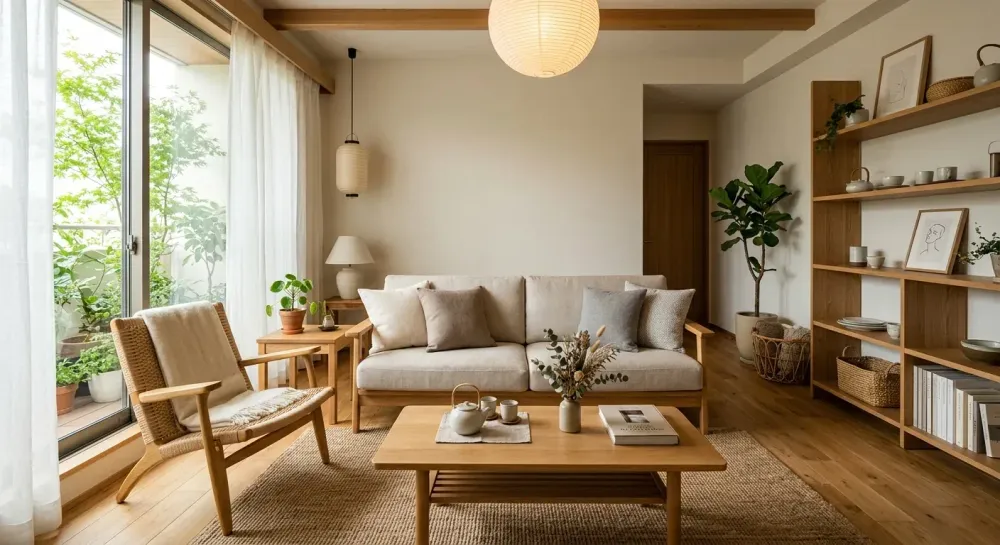
Choosing an interior design style is the first real decision of any renovation, and it shapes every choice after it: the floor, the carpentry, the lighting and the budget. This guide explains the 16 interior design styles our designers work with in Malaysia, in plain words: what each one looks like, who it suits, and whether it fits a home, a shop, an office or a café. The pictures are AI-generated concept visuals, not photos of finished projects.
How to choose a style in 3 questions
- How do you want the room to feel? Calm, cosy, grand, playful or energetic.
- How much upkeep will you accept? Pale fabrics, natural marble and open shelves need more care than laminates, tiles and closed cabinets.
- What does the space allow? A small condo favours light, low and simple styles. High ceilings and long walls can carry heavier ones.
Already have a favourite? Upload your floor plan and see it in your own rooms. Start your design
Calm and natural styles
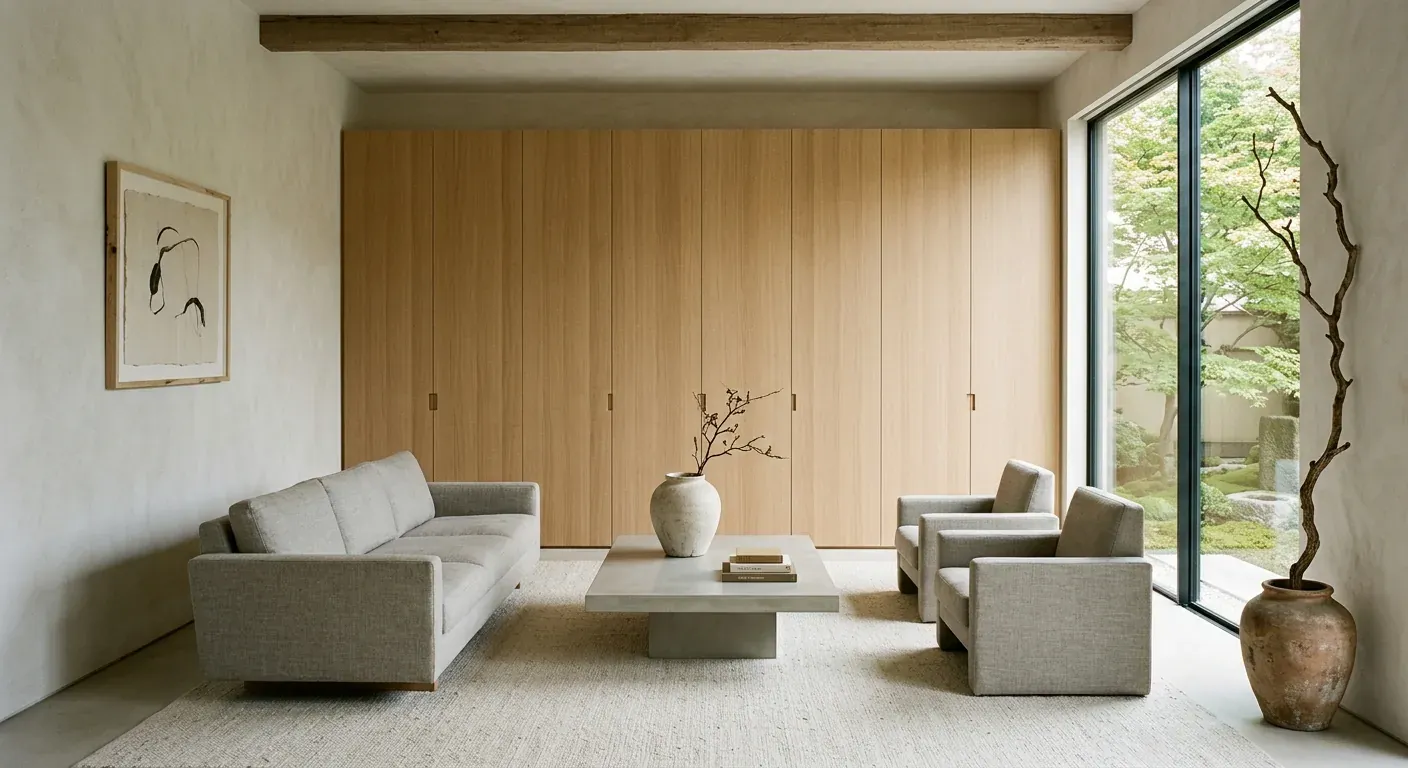
Muji. Light oak, linen and soft daylight, with everything in its place. It suits small condos and anyone who wants a tidy, quiet home. Low cost in decoration, but it depends on good built-in storage. See Muji in your plan
Japandi. Oak, soft grey and low furniture, with one dark accent. A little warmer and more crafted than Muji. Excellent for condos and for cafés and wellness shops. Read our Japandi guide.
Scandinavian. White walls, light wood and cosy textiles. Bright, friendly and one of the more affordable styles to build, so it is popular for first homes. Read our Scandinavian guide.
Minimalist. Clean lines, hidden storage and very little on show. It makes rooms look larger, and suits people who dislike clutter. It needs discipline to live in.
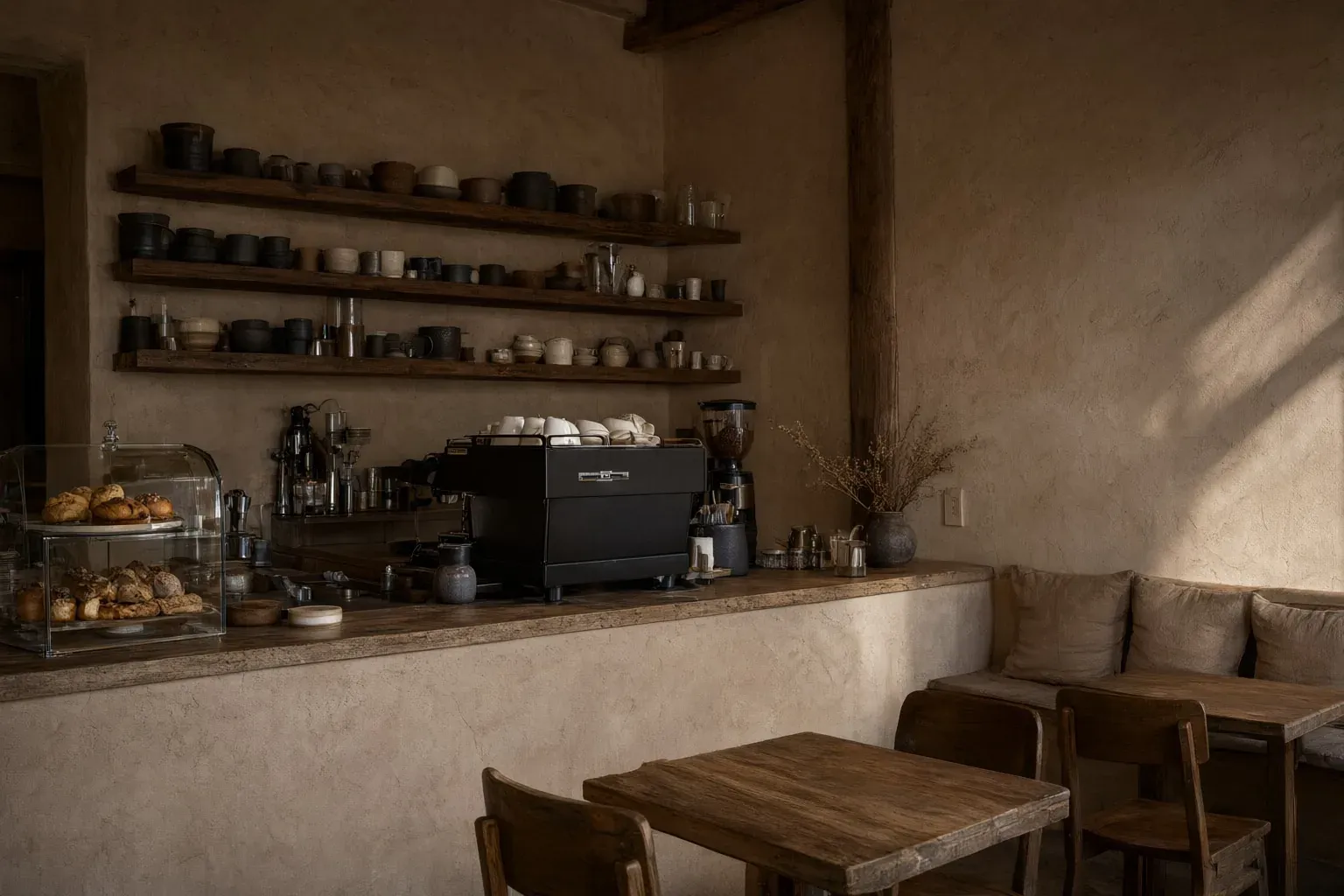
Wabi-Sabi. Plaster-look walls, raw textures and earthy calm, with handmade and imperfect objects. Quiet and warm; lovely in bedrooms, tea rooms and small studios.
Clean and current styles
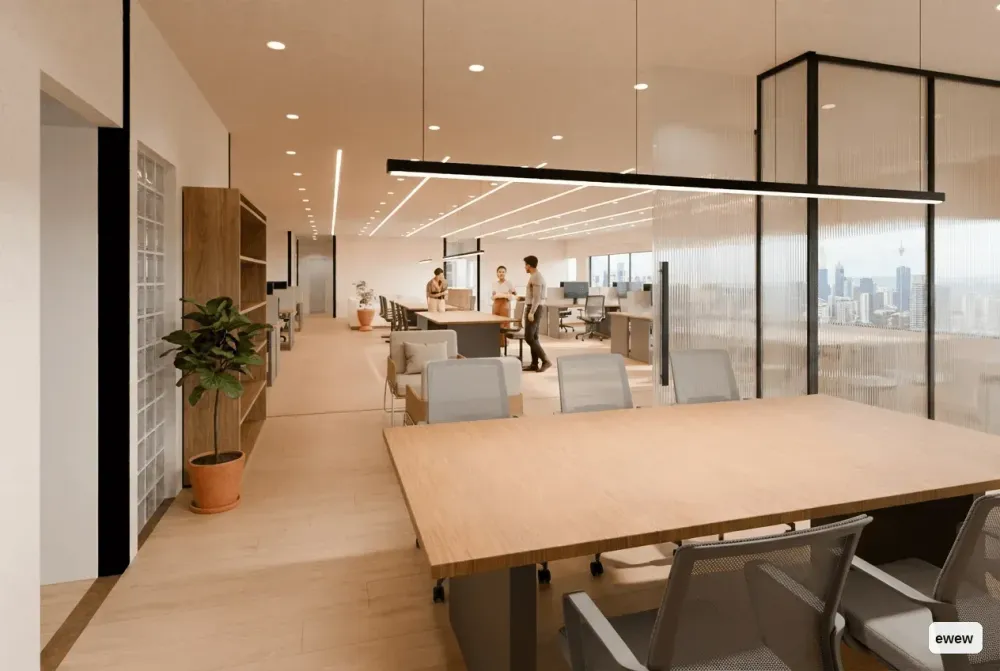
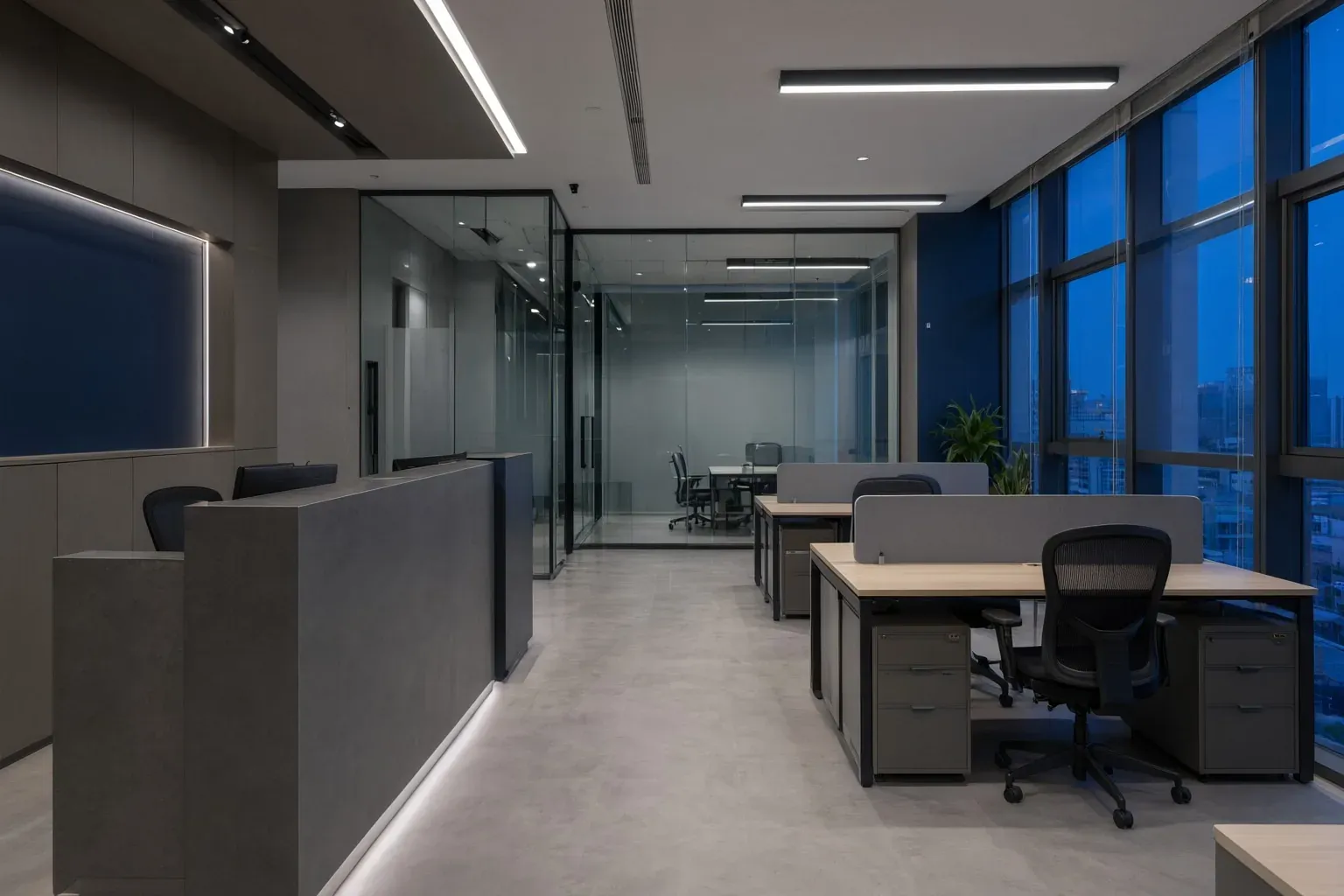
Modern Contemporary. Clean, neutral and up to date: warm greys, slim black details and indirect lighting. The safest choice if you plan to sell or rent the unit later, and a good base for offices.
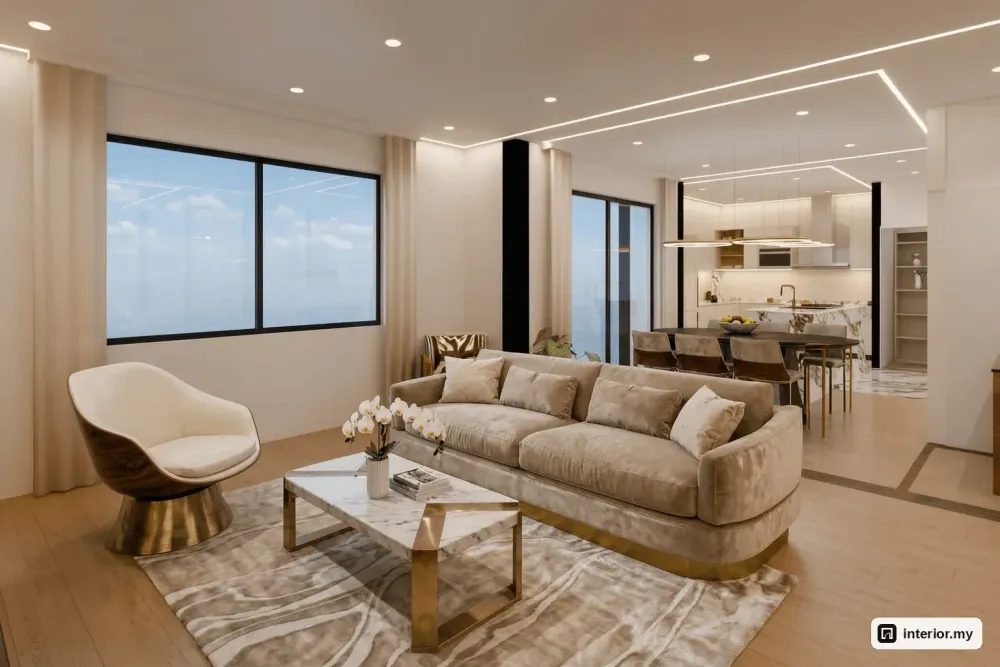
Modern Luxury. Marble, gold trim and statement lighting, for a hotel feel. It suits larger homes and premium boutiques, salons and clinics. Read our Modern Luxury guide.
Modern Classic. Wainscoting, wall mouldings and elegant neutrals, with a refined chandelier. Formal without being heavy; it works well in landed homes and in bridal, tailoring and professional offices.
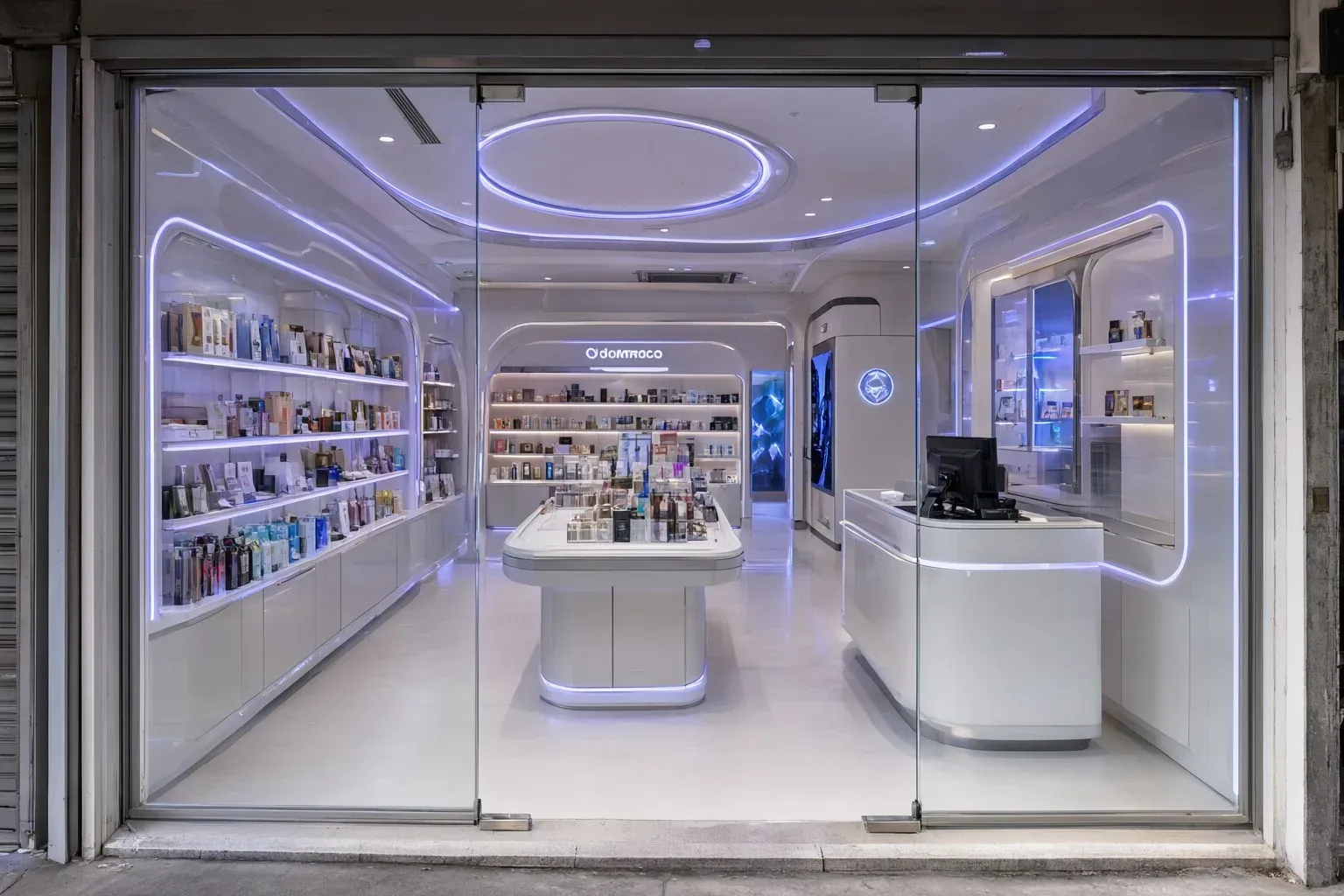
Futuristic. Sleek curves, glossy surfaces and concealed LED glow. A strong look for tech showrooms, gaming rooms and clinics; use it lightly at home.
Warm styles with character
Industrial. Concrete, black metal and exposed brick, with services on show. Tough and honest; a natural fit for cafés, bars, gyms and creative offices. Read our Industrial guide.
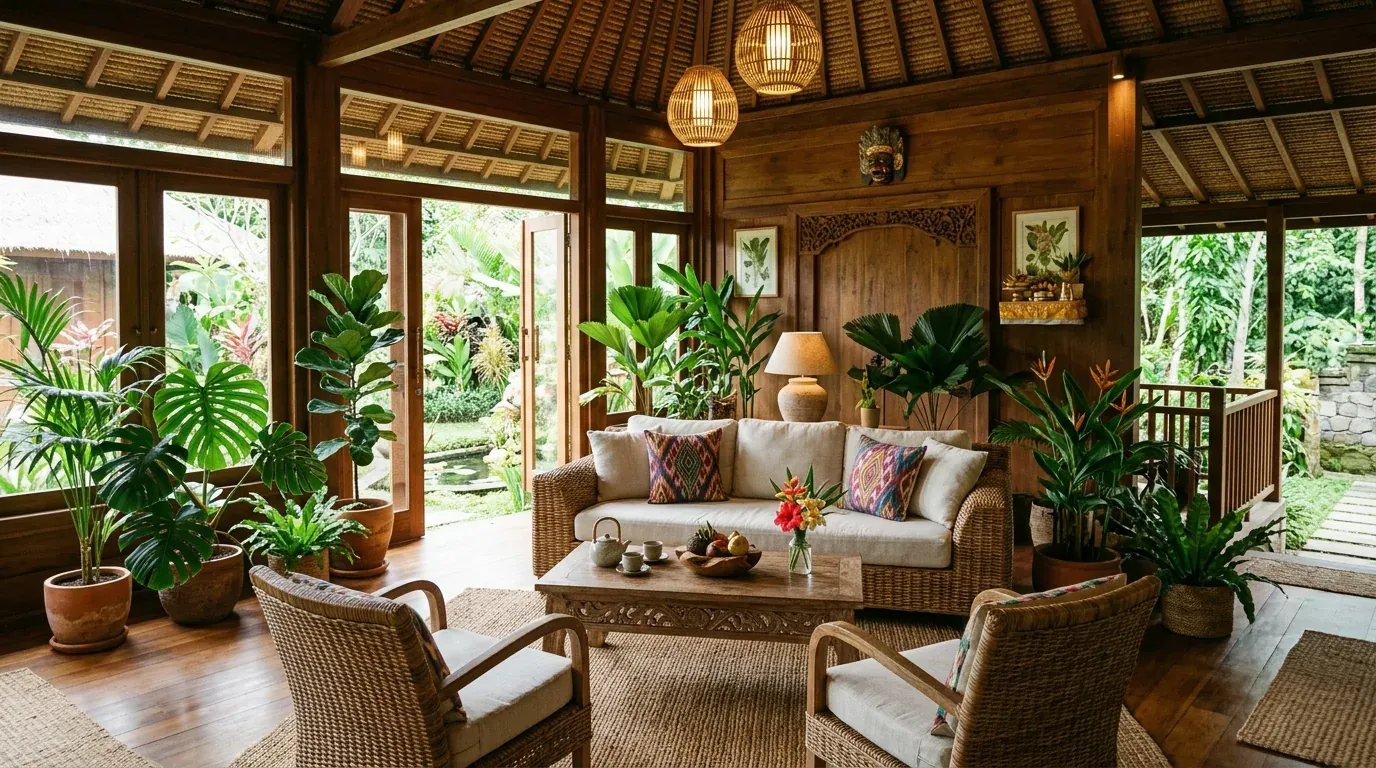
Tropical / Balinese. Rattan, teak and lush plants. It suits the climate, landed homes with gardens and balconies, and resort-style cafés and spas.
Mid-Century Modern. Walnut, tapered legs and retro accents in mustard and teal. Warm and stylish; good for living rooms, home offices and cafés.
Peranakan / Heritage. Patterned tiles, rich jewel colours and carved timber. Full of local character; ideal for shophouse homes, kopitiams and boutique hotels, and beautiful in small doses such as a foyer or a powder room.
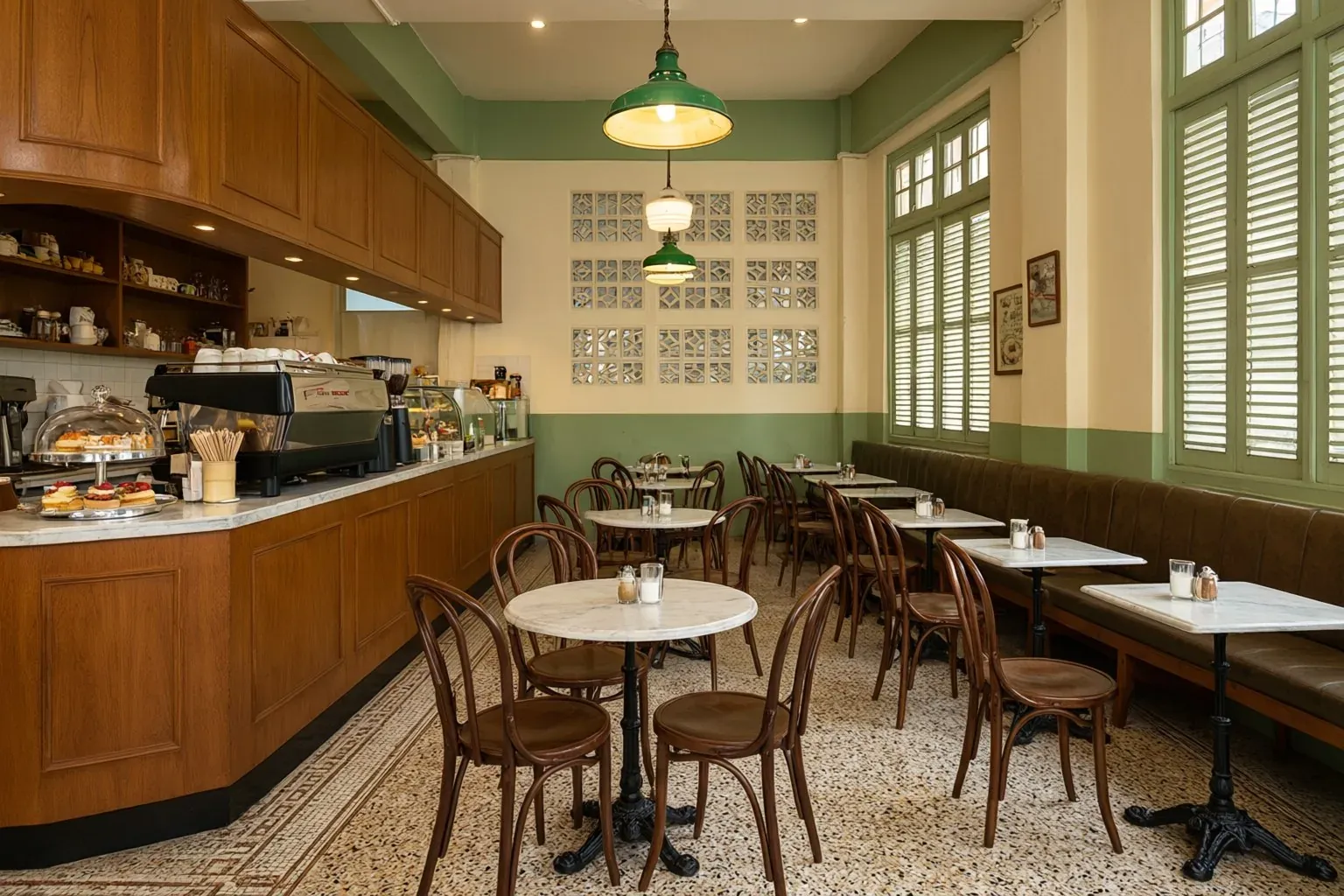
Retro / Old School. Kopitiam nostalgia: terrazzo, marble-top tables, bentwood chairs and muted green and cream. Made for cafés and kopitiams, and charming in a dining room or a kitchen.
Bold and personal styles
Eclectic Mix & Match. Pieces from different eras, patterns and collected objects brought together. It suits people with furniture and art they already love. It looks easy and is not: it needs one colour story to hold it together.
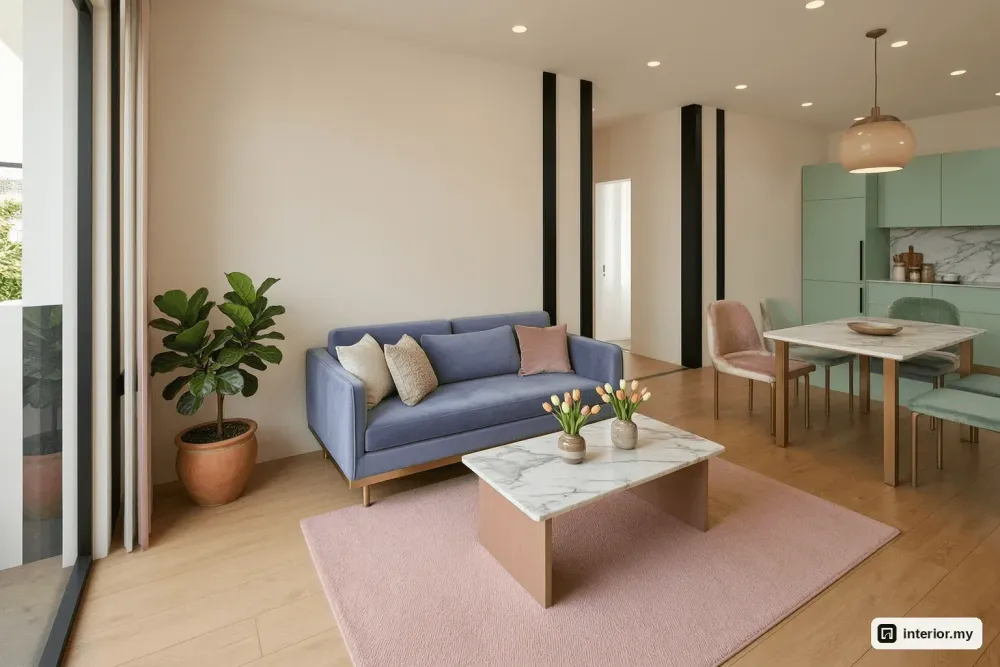
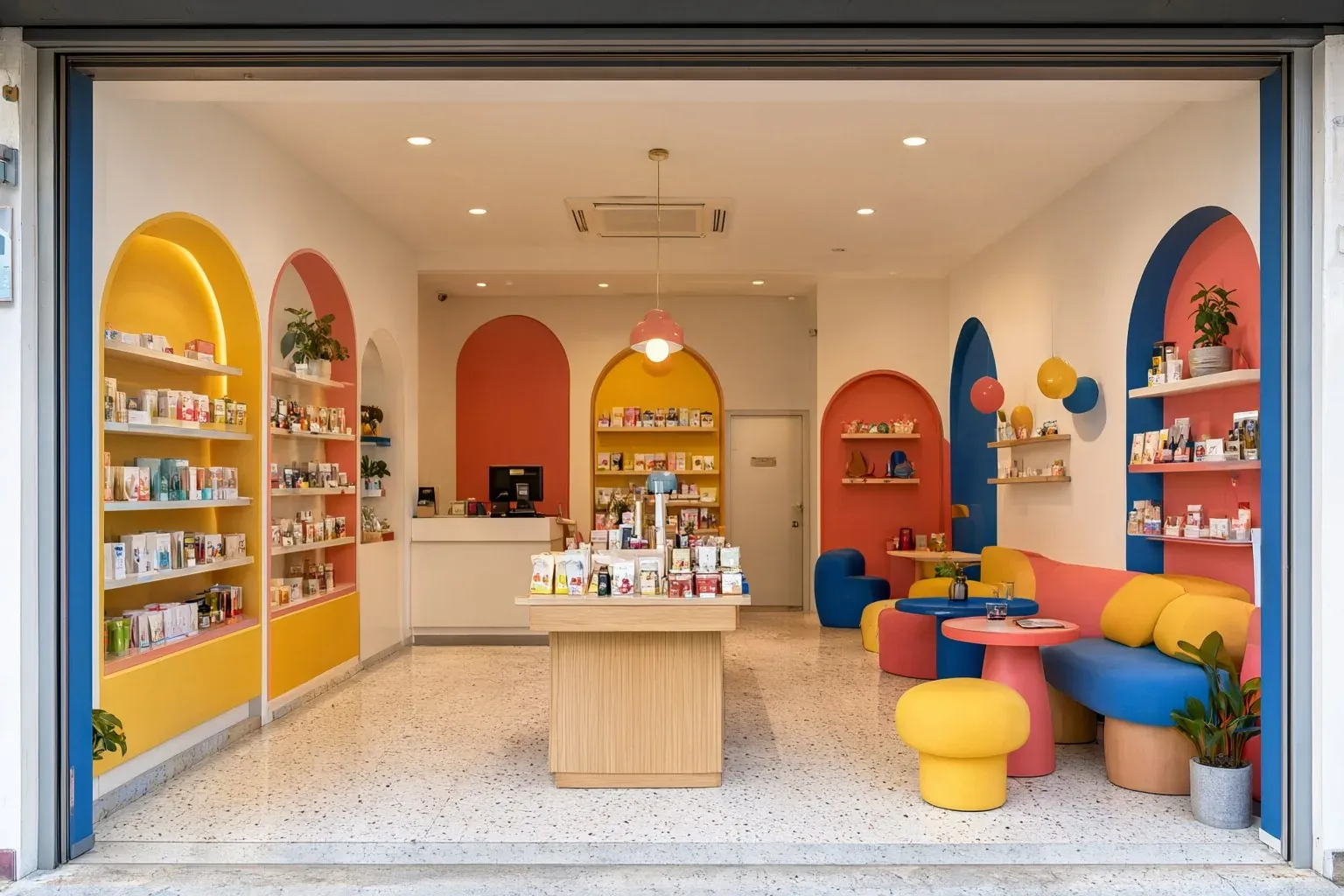
Modern Colourful. Bold colour blocks and playful shapes against white. Great for children's rooms, creative studios, kindergartens and dessert shops.
Which style suits which space
- Small condo (under 900 sq ft): Muji, Japandi, Scandinavian, Minimalist.
- Family terrace house: Scandinavian, Modern Contemporary, Mid-Century Modern, Japandi.
- Semi-D or bungalow: Modern Luxury, Modern Classic, Tropical / Balinese.
- Café or restaurant: Industrial, Retro / Old School, Japandi, Peranakan / Heritage, Tropical / Balinese.
- Shop or boutique: Modern Contemporary, Modern Luxury, Scandinavian, Modern Colourful.
- Office: Modern Contemporary, Minimalist, Industrial, Scandinavian.
These are starting points, not rules. The floor plan, the light and your budget decide the rest.
Can I mix two styles?
Yes, if one leads. Choose a main style for the floor, walls and carpentry, then borrow two or three pieces from a second one. Japandi with Wabi-Sabi, Modern Contemporary with Modern Luxury, and Scandinavian with Mid-Century Modern are easy pairs. Our order form also lets you add notes, so you can tell the designer what to borrow.
See your style in your own floor plan
Reading about styles only goes so far. With Interior.my you upload your floor plan, choose one of these 16 styles and a colour palette, and our designers return a furnished layout to scale and 3D pictures of your own rooms, with a furniture list and a budget guide. Some packages let you compare a second style for the same rooms.
For what is new this year, read our interior design trends for 2026-2027 and our trends for shops, cafés and offices.
Questions
What are the most popular interior design styles in Malaysia?
Among the 16 styles our designers work with, Japandi, Scandinavian, Muji, Minimalist, Modern Contemporary and Modern Luxury are the usual choices for homes, and Industrial, Retro and Japandi for cafés.
Which interior design style is best for a small condo?
Muji, Japandi, Scandinavian and Minimalist. They use light colours, low or slim furniture and hidden storage, which make a compact unit feel open.
Which style is best for a café or restaurant?
Industrial, Retro / Old School, Japandi, Peranakan / Heritage and Tropical / Balinese are the strongest for food and drink businesses. Choose the one that matches your menu and customers.
Can I mix two interior design styles?
Yes, if one leads. Use the main style for the floor, walls and carpentry and borrow two or three pieces from the second. Japandi with Wabi-Sabi and Scandinavian with Mid-Century Modern are easy pairs.
How do I see a style in my own home?
Order a design with Interior.my, upload your floor plan and choose a style and palette. You receive a furnished layout to scale and 3D pictures of your own rooms.
Are the pictures photos of real projects?
No. They are AI-generated concept visuals made to show the style. Our design ideas section shows complete concept designs made from floor plans.